Ditch the ABC’s
If you have a young child, you have probably felt the pressure.
Do they know their letters yet
Can they sing the alphabet
Should they be recognising words
ABCs often feel like the starting point for reading. They are visible, measurable, and easy to tick off. But focusing on letters too early can sometimes work against children rather than helping them.
Here is the shift that makes the biggest difference.
Reading does not begin with letters.
It begins with sound.
Why ABCs are not the best place to start
Letters are symbols. Sounds are the meaning underneath them.
When children are expected to work with letters before they understand how sounds work inside words, reading can feel confusing and frustrating. They might know letter names but still struggle to decode words or spell accurately once formal learning begins.
What children actually need first is phonological awareness. This is the ability to hear, notice, and play with sounds in spoken language. It is completely auditory. No letters are required.
Research consistently shows that phonological awareness is one of the strongest predictors of later reading success. A 2024 review on early reading development highlighted that children with strong sound awareness skills tend to have better reading outcomes, stronger oral language, and more confidence with literacy tasks as they move through school
Sound skills come before symbols
Phonological awareness develops in layers. Each layer builds toward reading without ever needing a worksheet or flashcard.
Rhyming
Rhyming helps children notice that words can sound the same at the end.
Cat, bat, hat.
Star, car, far.
Rhyming does not rely on spelling, and it does not need real words. Making up silly rhymes, especially with names, gives children repeated exposure in a fun and pressure free way.
Alliteration
Alliteration is noticing the same sound at the start of words.
Big bouncing ball.
Silly slithery snake.
This helps children tune into starting sounds without attaching letters to them. It is one of the easiest sound skills to build naturally through everyday conversation.
Syllables
Syllables show children that words are made up of parts.
Elephant has three beats.
El e phant.
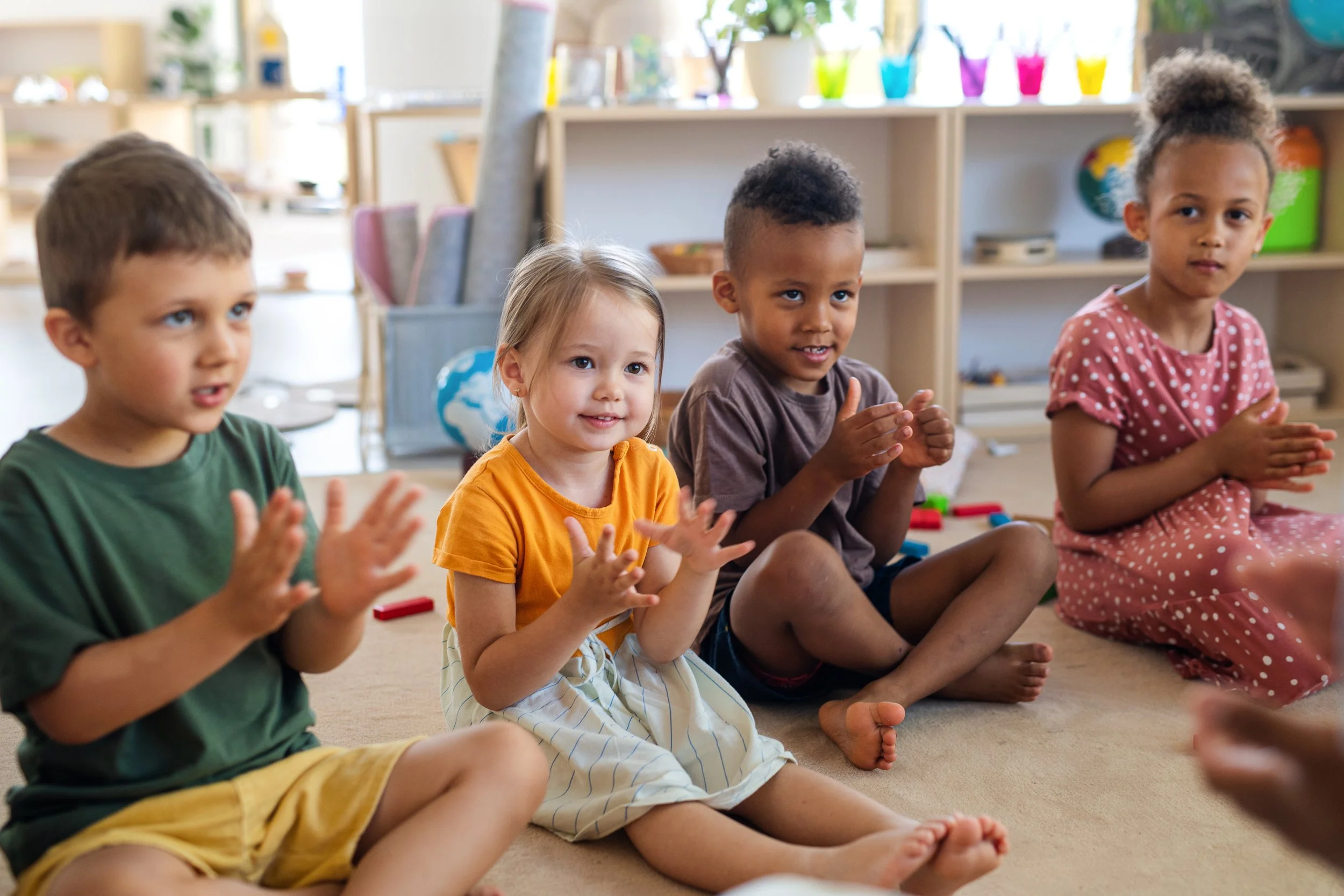
Clapping, stomping, tapping, or using objects to mark each part helps children feel the rhythm of words. This is an important bridge skill that prepares children for later sound work.
Hearing sounds in words
As children become more aware of sound, they begin noticing individual sounds at the start, middle, and end of words.
Bella starts with a b sound.
Drink ends with a k sound.
At this stage, adults modelling out loud is far more important than children answering correctly. Listening comes first.
Breaking words apart and putting them back together
Segmenting is breaking a word into its individual sounds.
Sun becomes s u n.
Blending is putting those sounds back together to form a word.
B u n becomes bun.
These skills sit right at the doorstep of reading and spelling. They rely heavily on all the sound play that comes before them. When children struggle here, it often means earlier sound skills need more time rather than more pressure.

Why this matters beyond reading
Early literacy is not just about reading books. It affects confidence, independence, and participation at school.
A 2024 report from the Grattan Institute found that a significant proportion of Australians experience low literacy levels, limiting access to education, employment, and everyday tasks
https://grattan.edu.au/news/australias-reading-fail/
Many children who struggle with reading are not unmotivated. They are overwhelmed. When literacy demands exceed skill level, children may avoid tasks, disengage, or show a frustration response. These responses are often a sign that foundations were missed, not that effort is lacking. They need support, not discipline.
Sound play fits into real life
Sound skills do not need quiet tables or sitting still. In fact, they often work better with movement.
Talking during play
Clapping syllables while walking
Playing sound games in the car
Making up silly rhymes at bath time
Research also suggests that reduced movement and outdoor play may impact attention and learning readiness. Pairing sound play with movement supports both regulation and learning.
So what does ditching the ABC’s really mean
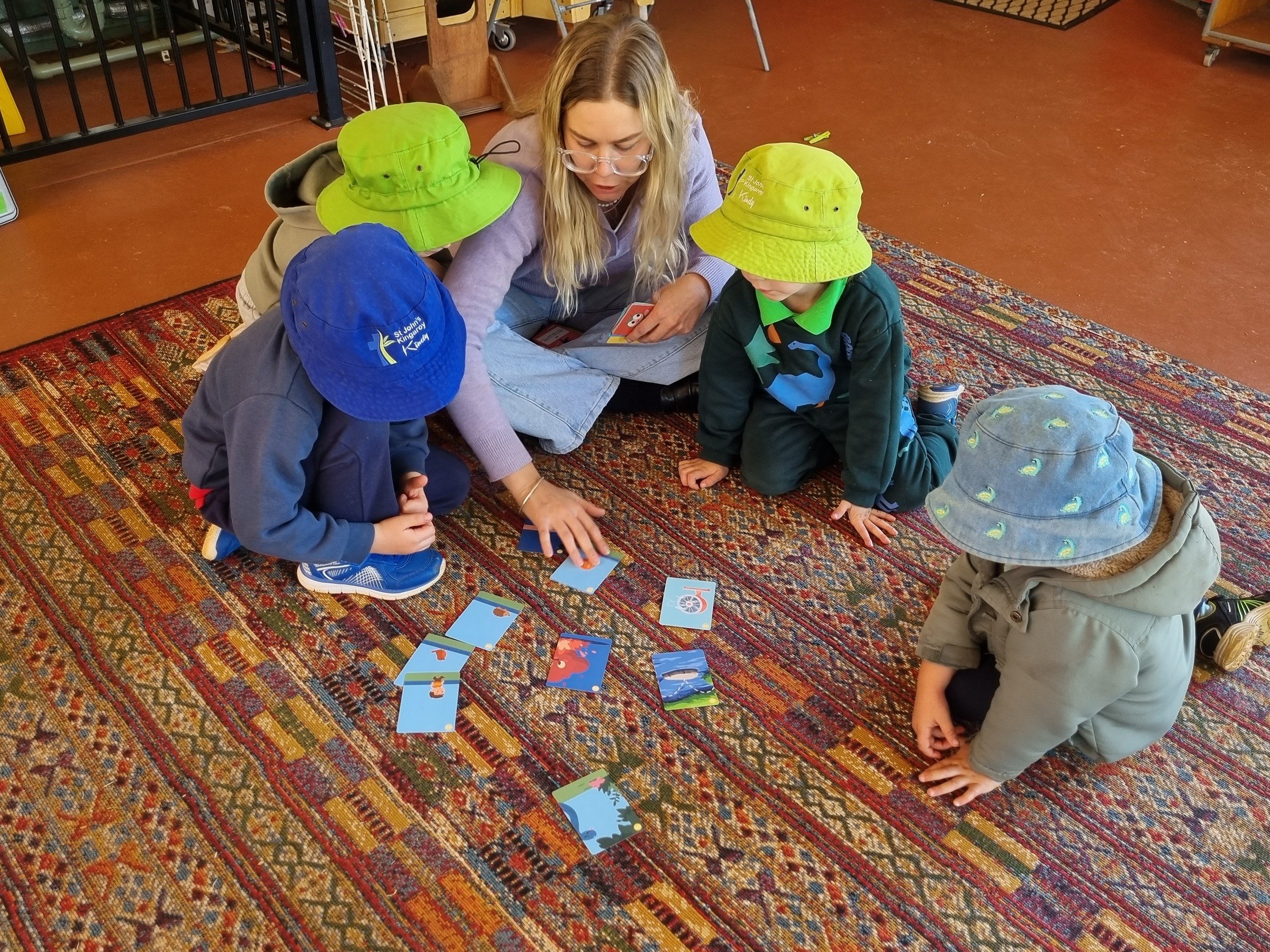
It does not mean letters are unimportant. Letters absolutely matter. But, we need the foundations first.
It means letters make more sense when children already understand how sounds work.
By focusing on sound skills first, you give children a foundation that allows reading and spelling to build naturally. You remove pressure, reduce frustration, and support confidence.
You are not delaying literacy.
You are strengthening it.
And that is far more powerful than memorising the alphabet ever could be.